Why Most People Get This Wrong Before They Even Add to Cart
The Viking lifestyle market has exploded over the past decade. What started as a niche corner of historical reenactment has grown into a sprawling category covering everything from hand-forged axes and drinking horns to Norse-inspired jewellery, runes, and clothing. More choice sounds like a good thing — and it can be — but it also means more opportunity to spend money on something that disappoints. The mistakes buyers make here tend to follow very predictable patterns.
Confusing Aesthetic Inspiration with Historical Accuracy
This is the big one. A huge portion of products marketed as "Viking" are really just Norse-aesthetic pieces — pop culture designs influenced by television shows, fantasy games, and modern interpretations. That's not necessarily a problem, unless you're buying something because you believe it reflects genuine historical craftsmanship or design.
Take drinking horns as an example. Authentic period-correct horns were sealed with beeswax or pine resin and had no stand — they were passed hand to hand or held throughout a feast. Many modern versions come with decorative metal stands, carved knotwork that borrows heavily from Celtic traditions, and food-safe epoxy coatings. Fine products in their own right, but not accurately Viking.
Before purchasing, ask yourself honestly: do you want something historically grounded, or do you want something that looks the part and feels right to you? Both are valid. Just know which one you're actually buying. Read product descriptions carefully. If a seller uses terms like "Viking-inspired" or "Norse-style," that's your first clue.
Ignoring Materials and Construction Quality
The Viking lifestyle category is flooded with mass-produced items made from zinc alloy, cheap leather substitutes, and resin cast to look like horn or bone. These products often photograph beautifully but feel hollow in the hand and wear badly within months.
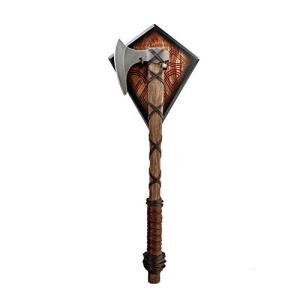
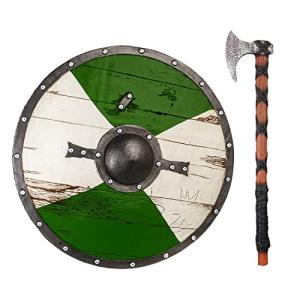
For metalwork — pendants, arm rings, brooches — look specifically for sterling silver, bronze, or iron. Genuine bronze has a particular warmth and weight that zinc simply can't replicate. For knives and axes, carbon steel behaves very differently from stainless and requires different maintenance, so knowing which you're getting matters. A carbon steel blade will patina and eventually rust if neglected; stainless won't, but it also won't hold the same kind of edge.
Leather goods are another trap. Genuine full-grain leather pouches, belts, and bracers will outlast you if cared for. Bonded leather or PU alternatives look similar in product photos but crack and peel within a year of regular use. Check listings for specific descriptions. If the seller can't or won't tell you the hide type and tanning method, that tells you something.
Buying Without Checking the Seller's Background
Many excellent Viking lifestyle products come from small independent craftspeople — blacksmiths, leatherworkers, jewellers — who sell through their own websites, Etsy shops, or market stalls. These makers typically have deep knowledge of their craft and can answer specific questions about their process and materials.
The mistake buyers make is skipping that due diligence when shopping on major platforms. Look for sellers who show their workshop, explain their process, and respond knowledgeably to questions. Review photos that show wear patterns over time are gold. Vague listings that recycle the same stock photography across dozens of similar products are a warning sign.
For higher-value items like forged axes or full reenactment gear, reaching out to the seller directly before purchase is completely normal in this community and usually welcomed. A skilled maker will want to discuss the project with you.
Underestimating Sizing and Fit for Wearables
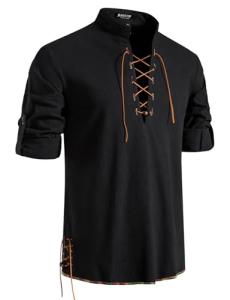
Viking-style clothing, including tunics, cloaks, and bracers, rarely follows standard retail sizing conventions. Many pieces are cut generously and designed to layer. Others — particularly hand-sewn historical reproductions — are measured using period techniques that don't translate to a modern size chart.
Always request detailed measurements in centimetres or inches, not just S/M/L labels. For arm rings and torcs, know your exact wrist or upper arm circumference. What looks like an adjustable piece in photos may have very limited actual flexibility once you have it in hand.
The through-line across all of these mistakes is the same: slow down and ask better questions before buying. This market rewards curious, informed buyers. The best pieces — the ones people genuinely treasure — almost always come from taking a few extra minutes to understand exactly what you're getting and who made it.
Ready to shop? Browse a wide selection of viking lifestyle products on eBay: View current listings